HSV VIETNAM GROUP) – From mid-2023 until now, the prices of many domestic and exported agricultural products have increased quite high, typically the prices of rice and coffee. In the first four months of 2024, Vietnam's average export rice price reached 644 USD/ton, an increase of 22.2%; coffee 3,402 USD/ton, up 49.7% over the same period in 2023.
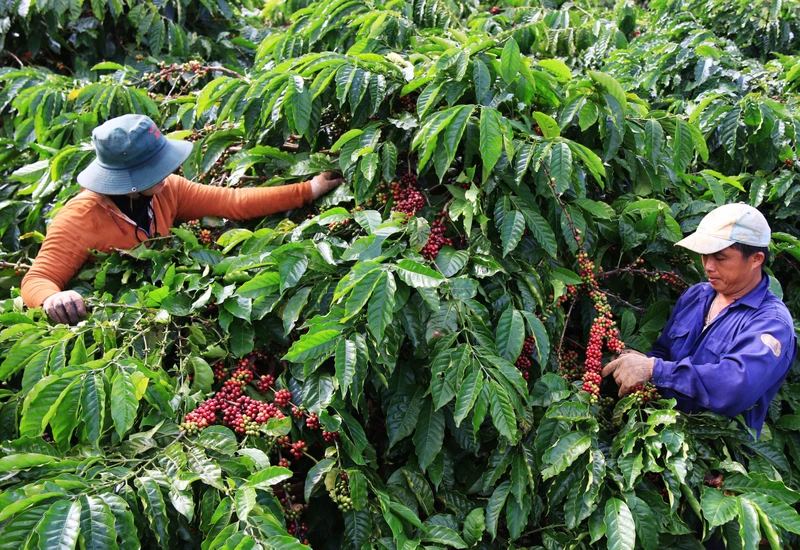
Domestic rice prices also recorded a sharp increase compared to previous seasons; Coffee prices are continuously reaching peaks, from 45,000 VND/kg in 2023, to now at times reaching nearly 140,000 VND/kg. The reason is that the world rice and coffee markets have both had a sharp decrease in supply recently.
On the one hand, this is good news for the entire agricultural industry when there is an opportunity to increase turnover and expand export markets; On the other hand, there is concern because of the risk of supply chain disruption. Many businesses say that "peaking" coffee prices are causing chaos in the market, and the supply chain becomes more fragile than ever. The connection between focal points and legality in the coffee business is clearly loose. When coffee prices suddenly increase, farmers do not deliver goods to agents, agents do not deliver goods to exporters, exporters do not have a source of goods so they cannot deliver goods to foreign roasters, leading to a broken supply chain and discrediting the entire Vietnamese coffee industry.
The rice industry is also facing a similar situation when delivery contracts have been signed but businesses cannot purchase raw materials, or have to purchase them at very high prices, causing businesses to face the risk of large losses and not being able to maintain operations. In the long term, when the market calms down, oversupply and a lack of businesses participating in processing and exporting will occur, seriously affecting the country's rice production and export.
Linking along the production-harvest-processing-consumption chain; The cooperation between manufacturers, businesses, banks, the State... are not only stories that have been discussed a lot but also many documents and policies have been issued to ensure legality.
However, the policy has not come into effective use, and the situation of "cancelling contracts" and breaking links in agricultural product purchases still occurs frequently. Therefore, protecting the agricultural supply chain is an urgent requirement today to ensure the healthy, transparent and sustainable development of the industries. This requires a transformation from psychology to action of both producers and businesses. Accordingly, both sides need a vision that is farther and broader than immediate benefits. Because when farmers "cancel the deal" and businesses lack raw materials for export and are forced to withdraw from the market, in the long run the producers themselves will lose customers.
As for businesses, if they do not closely associate with farmers and share benefits harmoniously in all circumstances to have a stable source of raw materials, the risk of "high prices, overturning" is very likely to occur.
Ha Diem HSV