(HSV VIETNAM GROUP) – We are talking about Nickel - known as "The Devil's Metal".
Metals of the Future: How Important Is Nickel?
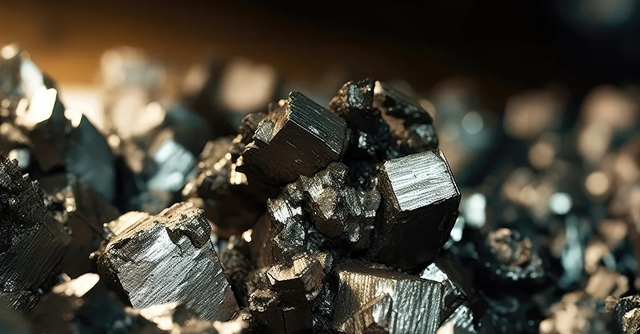
"Devil's metal" was discovered in 1751 in cobalt mines in Hälsingland, Sweden. Devil's metal is a rather scary nickname when the first miners to find nickel ore gave it it. Why? They blamed supernatural forces for the subsequent failure to mine copper.
Nickel now has a significantly improved reputation. Ranked 28th on the periodic table, this ductile, silvery-white metal has long been relied upon to produce alloys such as stainless steel, which accounts for about 80% of global nickel demand. Now, it is also creating a new era of energy innovation.
Swiss banking group Lombard Odier believes that electrification of Switzerland's economy will increase from 20% today to 70% by 2050 as the world transitions from fossil fuels to renewables and cleaner energy sources.
Nickel could play an important role in this change. Its ability to withstand high temperatures and resist corrosion makes it indispensable in many low-carbon technologies, from solar panels and wind turbines to nuclear power plants and carbon capture systems.
However, the most important role of nickel is expected to be in battery production. It enhances battery performance by increasing energy density, supporting higher voltages and larger storage capacity without affecting stability. This has led to the use of nickel in lithium-ion batteries, including in nickel-manganese-cobalt and nickel-cobalt-aluminum formulations.
Importantly, nickel is often cheaper than rival metals such as lithium and cobalt; Therefore, nickel-rich batteries can reduce the cost of storing excess renewable energy output.
The shift to electric vehicles (EVs) is reshaping the global auto industry, creating unprecedented demand for critical metals. An EV contains six times more vital metals than a conventional car, making metal resources the backbone of this electrification revolution.
Here's a breakdown of the major metals and their average raw material prices - in USD - in a typical 62.5 kWh battery electric vehicle (NMC 811 component) to give you an idea:
According to experts, the content of important metals in electric cars is 600% higher than in conventional cars. For more clarity, see the image below. Source: ASME, IEA, ADAMS INTEL
66 billion USD: The number says it all
Electric vehicles and energy storage will account for the majority of the expected growth in nickel demand over the next 20 years, according to the International Energy Agency (IEA).
Among the key metals of the energy conversion process, nickel plays an important role in the energy density and performance of batteries. Compared to lithium, which primarily facilitates ion movement in the battery, nickel plays a larger role in increasing energy density and allowing longer range capacity in EVs.
Nickel is a shiny, silvery-white metallic element. It is the fifth most abundant element on Earth and is abundant in the Earth's crust and core. Nickel, along with iron, is also a common element in meteorites. Nickel is present in soil and water. It is also an essential nutrient for plants.
It is estimated that there are significant nickel deposits in the deep sea. Manganese nodules, found in the deep sea, contain significant amounts of nickel. The development of deep-sea mining technologies is expected to facilitate access to these resources in the future.
While cobalt enhances battery stability and manganese improves safety, nickel is important for maximizing storage capacity and performance. Therefore, it is an indispensable component for batteries with high energy density.
At 43 kg of nickel per EV, nickel is the raw material with the largest cost at US$764. As EV adoption accelerates, demand for nickel and other metals will only increase, putting pressure on global supply chains.
The industry faces a balancing act: Ensuring a steady supply of these materials – while keeping raw material costs at sustainable levels. This dynamic will determine the pace and scale of EV adoption in the coming years.
So, what does the future of nickel look like in line with the electrification revolution?
Nickel is on a strong growth trajectory as the electric vehicle revolution accelerates, driven by growing demand for batteries with high energy density. Nickel-rich chemical compounds, such as NMC 811, dominate electric vehicle battery production due to their ability to increase range and efficiency.
According to leading UK energy transition information provider Benchmark Mineral Intelligence, by 2030, global electric vehicle sales are expected to exceed 50 million units per year, with batteries accounting for more than 50% of the growth in nickel demand and the world requiring more than 1.5 million tonnes of nickel per year.
Furthermore, global investment in nickel mining and processing could exceed $66 billion by 2030, underscoring the metal's importance in meeting electric vehicle demand.
Benchmark further predicts that by the same period, 85% of battery manufacturing capacity outside of China will rely on high-nickel chemistries. From then on, the world will see an increasing shift to high-nickel formulations over time.
As a result, the share of nickel in EV battery raw material costs will also increase, potentially affecting total production costs.
Global nickel reserves: Are they enough?
If low-carbon technologies and other emerging applications are going to drive demand for nickel higher, the question is whether the mining industry can deliver – and will there be enough to supply in the long term?
There are approximately 350 million tons of terrestrial nickel resources on Earth. The metal is mined in more than 25 countries, but Indonesia, Australia, Brazil, Russia and New Caledonia together hold more than 84% of the estimated 130 million tons of accessible reserves. The world produced 3.6 million tons of nickel in 2023, about half of which came from increased Indonesian production.
Therefore, to meet growing demand, significant investments in sustainable nickel mining and refining infrastructure are needed, ensuring a stable supply chain.
Alaska Energy Metals Corp. (AEMC) is addressing these challenges by taking advantage of the rich nickel resources of Alaska - the US state. The company is focused on strengthening the nickel supply chain with a low-carbon approach, supporting the rapid growth of the EV market.
As countries and automakers prioritize electrification, the energy transition… nickel remains at the core of the energy transition, driving innovation and market expansion.
Ha Diem HSV