(HSV VIETNAM GROUP) – Vietnam currently ranks 15th in the world and second in Southeast Asia in terms of export turnover of agricultural, forestry and fishery products. Agricultural products have appeared in more than 200 countries and territories. From now until 2030, there is not much time left for Vietnam to accelerate to complete the goal of bringing the agricultural product processing industry to the top 10 countries in the world.
Welcome from the world market
In the last months of 2022, Vietnam's agricultural industry continuously received good news when durian, sweet potatoes, and bird's nest were allowed to officially export to the Chinese market. As for passion fruit, China has agreed to officially import it on a pilot basis. In addition, grapefruit has also been officially exported to the US and New Zealand markets; Rice branded "Vietnamese Rice" of Loc Troi Group Joint Stock Company is sold in the supermarket chain of France's leading retail distribution group E.Leclerc and the Carrefour distribution system; A An brand rice of Tan Long Group Joint Stock Company was successfully exported to Japan... These are considered new steps on the journey of "conquering" the world market of Vietnamese agricultural products.
According to statistics, each year China imports 7 million tons of fresh fruit, worth about 10 billion USD. However, currently Vietnamese fruits exported to China only account for 7.15% of the market share, compared to Thailand's 45.02% and Chile's 16.8%. Therefore, the opportunity for Vietnamese fruits to expand their market share in China is huge, especially in the context that many types of fruits have been officially imported into this market. With fresh grapefruit, opportunities in the US and New Zealand markets are also opening up.
Vietnam has been exporting rice for more than 30 years, but the world hardly knows any brands because Vietnamese rice is mainly exported raw. Now, Vietnamese rice grains are also going on a new journey when they are first sold in major supermarkets in France and Japan under their own brand.
Towards global values
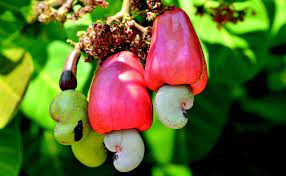
Cashew business is a new direction for HSV VIETNAM GROUP to match the global development trend of agricultural production, processing and export.
Mr. Phan Minh Thong - Chairman of the Board of Directors, General Director of Phuc Sinh Joint Stock Company - who is known as the "king of pepper" thanks to his current leading pepper export achievements in Vietnam, said: With pepper, if in 2015, if you want to export to the European market, you need to ensure 120 inspection items and now this number is up to 820. Worth mentioning, the cost of checking all items is paid by the seller. This is indeed very "harsh" for export businesses, but if you want to conquer high-value markets like Europe, you cannot fail to comply.
Recently, in the Report "Towards green agricultural transformation in Vietnam", the World Bank (WB) commented: In the context of climate change, internationally traded agricultural and food products will face much higher environmental standards in the future, applied by the coordination of importing country management agencies, private buyers or environmentally sensitive consumers. For example, the European Union (EU) is discussing a “Green Deal” to reduce carbon leakage due to imports from countries with carbon-intensive production systems. Exporting countries must therefore demonstrate their compliance with higher sustainability standards. Currently, key exporting countries to the EU are strengthening strategies to promote the sustainability of production chains to stay ahead of trends and ensure international markets for their goods. Vietnam needs to consider this issue soon.
Therefore, Vietnam has been constantly making efforts, many times "racing against time" to implement sustainable development plans in both the fields of production, processing and export of agricultural products. In particular, clearly identify the direction to produce high-value, diverse products along the value chain in accordance with market requirements, integrating cultural, social and environmental values into products. At the same time, focus on promoting responsible, modern and effective agricultural production; develop ecological, organic, circular agriculture, low carbon emissions, environmentally friendly and adaptable to climate change.
Ha Diem